
Otto Werner · 20 September 2026
Navigating Annotation Layers for Client Review Cycles in Service Delivery Platforms
Service delivery platforms handle complex client interactions through structured review processes, and annotation layers serve as the core mechanism for marking up documents, designs, and deliverables without altering original files. These layers stack visual comments, highlights, and threaded discussions directly onto content, allowing teams to track changes across multiple iterations while maintaining version control. Data from collaborative software implementations shows that platforms using layered annotations reduce review turnaround times by integrating feedback into existing workflows rather than relying on separate email threads or external documents.
Core Components of Annotation Layers
Annotation layers consist of several functional elements that operate together during client cycles. Vector-based overlays capture precise coordinates for comments, while metadata tags attach user identities, timestamps, and priority levels to each note. Platforms separate these layers from base content so that reviewers can toggle visibility, export specific feedback sets, or archive completed threads. Researchers at academic institutions have documented how this separation prevents accidental edits to source materials, and studies indicate improved accuracy when multiple stakeholders access the same layered view simultaneously.
Integration with Client Review Workflows
Client review cycles in service platforms follow a sequence of submission, feedback, revision, and approval stages, and annotation layers slot into each step without requiring users to switch applications. When a client uploads revisions, the system automatically generates a new layer that preserves prior comments for reference. Teams then navigate these layers through timeline sliders or search filters that isolate comments by date, author, or keyword. Evidence from platform analytics reveals that structured layer navigation cuts duplicate feedback by consolidating related notes into single threads, which streamlines approval gates and reduces back-and-forth exchanges.
What's interesting here is how permissions control layer visibility. Administrators assign view or edit rights per layer, ensuring clients see only relevant annotations while internal teams retain access to private discussion threads. This granular control aligns with compliance requirements in regulated industries where audit trails must record every interaction. In September 2026, several platforms plan to roll out enhanced layer encryption protocols that meet updated digital service standards across multiple jurisdictions.
Navigation Techniques Across Multiple Layers
Effective navigation begins with hierarchical organization that groups layers by project phase or content type. Users apply filters to display only open comments, resolved items, or high-priority flags, which prevents information overload during dense review periods. Keyboard shortcuts and gesture controls on mobile interfaces allow quick jumps between annotations, while search functions pull results from both text and visual markers. Observers note that teams trained on these tools locate specific feedback points faster than those relying on manual scrolling through unorganized comment lists.
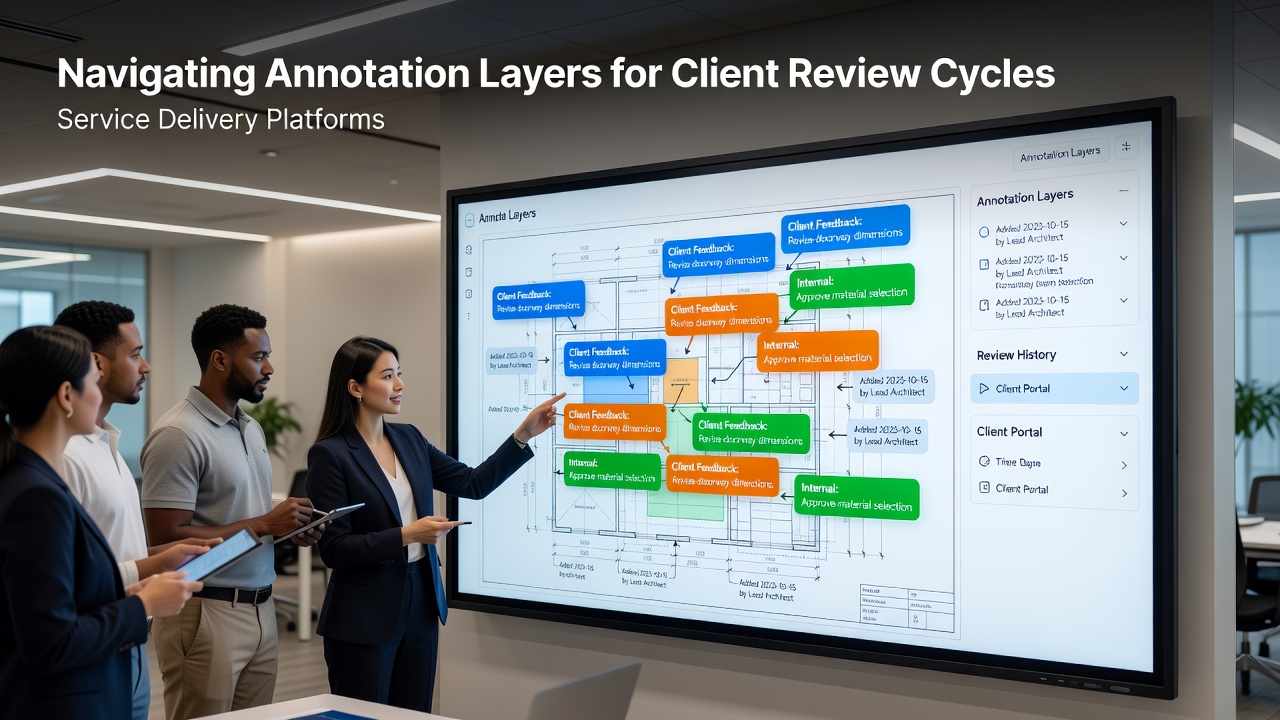
Layer merging features combine feedback from parallel reviewers into unified views, preserving individual contributions through color coding and attribution. When conflicts arise between annotations, platforms surface side-by-side comparisons that highlight overlapping regions. This approach supports large-scale projects where dozens of stakeholders contribute simultaneously, and figures from enterprise deployments show measurable decreases in revision cycles once teams adopt consistent navigation protocols.
Platform Features Supporting Layer Management
Modern service delivery systems embed annotation tools directly into their interfaces rather than treating them as add-ons. Real-time synchronization pushes layer updates across connected devices, and notification systems alert users when new comments appear on watched layers. Export options generate reports that compile annotations into formatted summaries suitable for external stakeholders or regulatory submissions. According to reports from the Government of Canada digital standards documentation, platforms incorporating these features demonstrate stronger alignment with open data and accessibility guidelines during client engagements.
Automation plays a growing role when platforms apply machine learning to suggest layer groupings or flag duplicate annotations. These suggestions reduce manual organization time, though final decisions remain with human reviewers. Integration with project management modules links annotations to task assignments so that unresolved feedback automatically generates follow-up items in team dashboards.
Challenges in Layer Navigation and Resolution
High volumes of annotations can create navigation friction if platforms lack robust search and filtering capabilities. Legacy systems sometimes struggle with performance when layers accumulate across long-running projects, leading to slower load times. Data from industry audits indicates that organizations addressing these bottlenecks through regular layer archiving see sustained performance improvements. Cross-platform compatibility also presents hurdles when clients use different devices or software versions, yet standardized file formats help maintain layer integrity during transfers.
Conclusion
Annotation layers have become standard infrastructure in service delivery platforms because they embed feedback directly into content while preserving original files and enabling detailed tracking. Effective navigation relies on organized structures, permission controls, and integrated search tools that support efficient review cycles. As platforms continue to evolve through 2026 and beyond, the focus remains on maintaining compatibility, performance, and compliance across diverse client environments. Those who study these systems observe consistent patterns where structured layer management correlates with smoother approval processes and clearer communication trails.